Optimal Bed Bug Control Options: Your Complete Reference to a Pest-Resistant Home
Correct bed bug treatment demands a methodical plan. Homeowners should begin by spotting the warning signs of an infestation, like rust-colored stains and shed skins. Understanding the bed bug life cycle is critical for effective control. Even though DIY treatments can offer short-term improvement, understanding when to call in related information professional help remains just as essential. The right approaches can produce a pest-free location, but what priorities should be emphasized to achieve the best success?
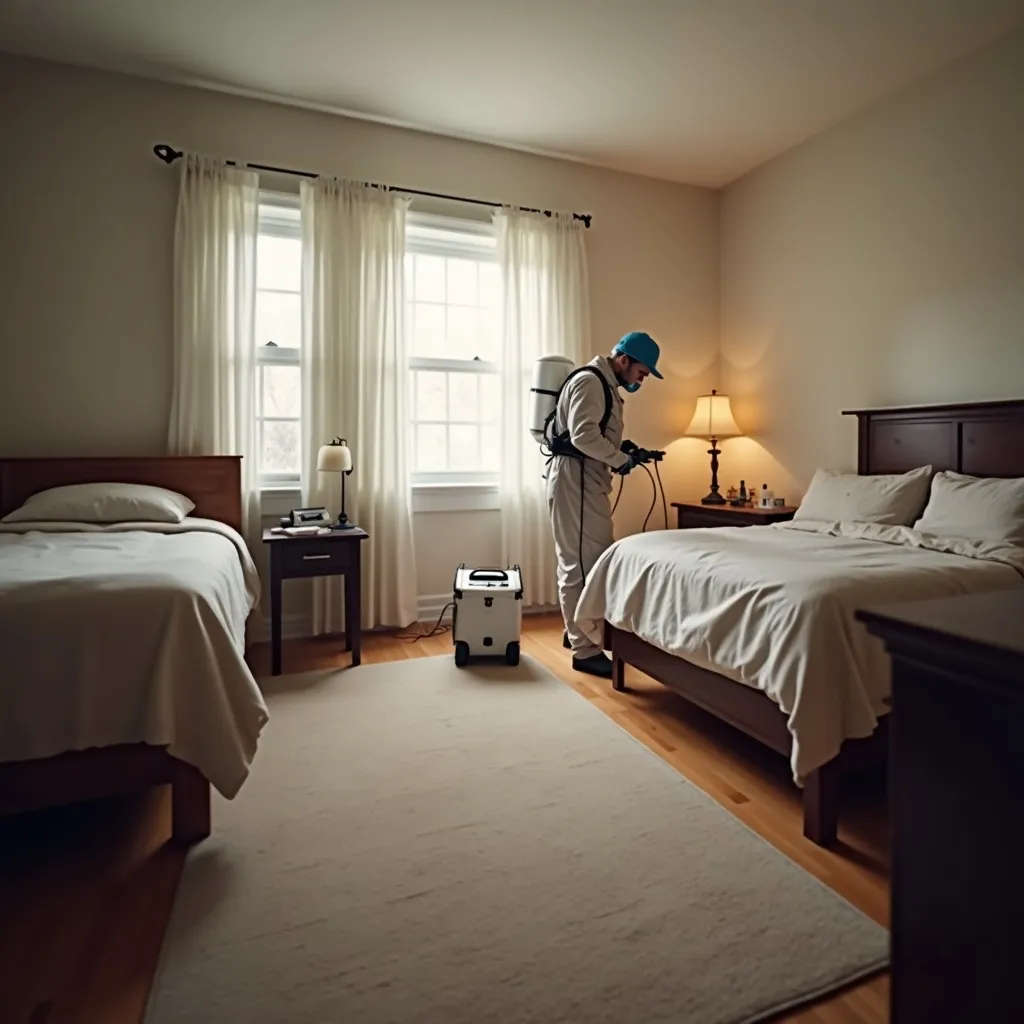
How to Identify Bed Bug Infestations: Critical Signals to Spot
Recognizing a Cimex lectularius infestation needs keen observation of particular signs. Among the most obvious signs is the presence of small, rust-colored stains on sheets and mattresses, frequently due to crushed bed bugs. Additionally, tiny, white eggs and shed skins may be found in crevices, signaling an established population. Dark excrement spots left by bed bugs can frequently be seen on bedding, furniture, or walls. A foul smell might also be present in heavily infested areas, pointing to a larger problem. Individuals inspecting should look at mattress seams, box springs, and furniture joints where bed bugs often conceal themselves. Additionally, unexplained bites clustered or lined on the skin may be another clear sign of infestation. Quick detection is necessary for effective treatment, highlighting the need for homeowners to be aware of these signs.
Learning About the Bed Bug Life Cycle: Why It Makes a Difference for Treatment
Understanding the bed bug life cycle is critical for deploying effective treatment solutions, as each stage presents unique challenges. Bed bugs undergo five nymphal stages before reaching maturity, requiring a blood meal at each stage to advance. The entire development cycle, from egg to adult, can take as little as six weeks under ideal conditions. This speedy reproduction means that infestations can accelerate quickly if not addressed promptly.
Adult bed bugs can endure for many months without feeding, hindering elimination attempts. Knowledge of this lifecycle assists in scheduling treatments efficiently, as interventions must address both mature bugs and nymphs. Additionally, recognizing how egg clusters can conceal in tiny crevices highlights the importance of thorough inspections and broad treatment methods. By aligning treatment strategies with the lifecycle of bed bugs, property owners and extermination specialists can enhance the likelihood of obtaining a bug-free home.
DIY Bed Bug Treatment Approaches: What You Should to Understand
How can homeowners effectively combat bed bug infestations using DIY methods? First, thorough cleaning is essential; washing bedding and clothing in hot water and drying on high heat can eliminate many bugs and eggs. Vacuuming furniture, carpets, and crevices helps remove visible pests and debris. Those living in homes should dispose of the vacuum bag immediately to prevent re-infestation.
Additionally, applying caulk to block openings and gaps can reduce potential hiding spots. Homemade traps, including a low pan containing soapy water, can catch bed bugs as they attempt to cross. Essential oils like tea tree or lavender might discourage bed bugs when applied strategically, but their effectiveness remains unpredictable.
Finally, applying diatomaceous earth in infested areas can help by drying out the bugs. While these methods can be advantageous, consistency and thoroughness are key to achieving long-term results in controlling bed bug infestations.
When Do You Contact for Professional Help With Bed Bugs?
Despite the effectiveness of different do-it-yourself approaches for controlling bed bug infestations, there are circumstances where professional intervention becomes necessary. If individuals find that their efforts have not yielded results after several weeks, it may indicate a more severe infestation that demands expert attention. Additionally, if the infestation has spread beyond the bedroom to different spaces of the home, such as living rooms or hallways, expert assistance is strongly advised.
Moreover, people experiencing major pest infestations or those with health concerns—like allergy problems or respiratory issues—should consider contacting pest control experts. Trained experts maintain technical expertise and connection to more effective treatment options that are not open to the typical home owner. Finally, if there are concerns about the potential for follow-up pest problems during the pest control service, it is prudent to seek skilled help to guarantee a complete and efficient conclusion.
How to Inspect Bed Bug Treatment Products
What aspects should one account for when assessing bed bug treatment products? Potency is paramount; users should select products that have proven results against bed bugs. It is important to read labels and confirm active ingredients known to eliminate these pests. Safety is a significant factor, especially in households with children or pets. Safe options are preferable. Ease of application also plays a role; products that are simple to apply can improve compliance and effectiveness. Additionally, consider the treatment’s length of effect and whether it requires multiple applications. Finally, cost should be balanced against the effectiveness and safety of the product. User reviews and professional recommendations can deliver useful feedback on the product's performance. By assessing these factors, individuals can make well-informed decisions to ensure a successful bed bug treatment experience.
Stopping Future Infestations: Best Practices for Home Owners
Analyzing bed bug treatment products is only part of the undertaking; thwarting future infestations is equally important for homeowners. To support a clean environment, detailed checks of living spaces are essential. Homeowners should monitor for clues of bed bugs, such as shed skins or dark spots, especially around mattresses and furniture.
Deploying protective measures is essential. Sealed covers for mattresses and box spring sets can provide a defense, while regular vacuuming and steam cleaning can wipe out potential hiding spots. Additionally, homeowners should be mindful when on trips, reviewing luggage and clothing upon return.
Reducing excess items also minimizes bed bug nesting locations, making it easier to spot and treat any suspected issues. Finally, fostering open communication with community members can facilitate in initial detection, as bed bugs can spread between units in communal residences. By implementing these recommendations, homeowners can greatly reduce the probability of future infestations.
Frequently Commonly Posed Questions
Do Bed Bugs transfer Diseases to People?
Bed bugs do not transmit illnesses to humans. Their bites can cause itching and allergic responses, but they are not known vectors of disease-causing organisms that result in illnesses, making them more a nuisance than a health threat.
How Long Do Bed Bugs Survive Without a Host?
Bed bugs can survive without a host for approximately 2-6 months, based on environmental conditions. Factors such as climate and moisture levels greatly influence their longevity during this period without food.
Will Bed Bugs Favor Certain Material Types?
Bed bugs favor most organic textiles such as cotton and wool, which offer enhanced shelter options and heat retention. Synthetic materials, while less appealing, can still harbor these vermin if conditions permit establishment.
Can Pets Transport Bed Bugs Inside Your House?
Yes, pets can inadvertently haul bed bugs into the home. These unwanted creatures may adhere to fur or be transported in pet belongings, heightening the risk of proliferation if proper preventative steps aren't taken. Regular inspections are wise.
What Should I Do With Affected Clothing?
To treat infested garments, one should clean items in heated water and dry them on high heat. Non-washable items may be sealed in plastic bags and frozen for multiple days to remove bed bugs.